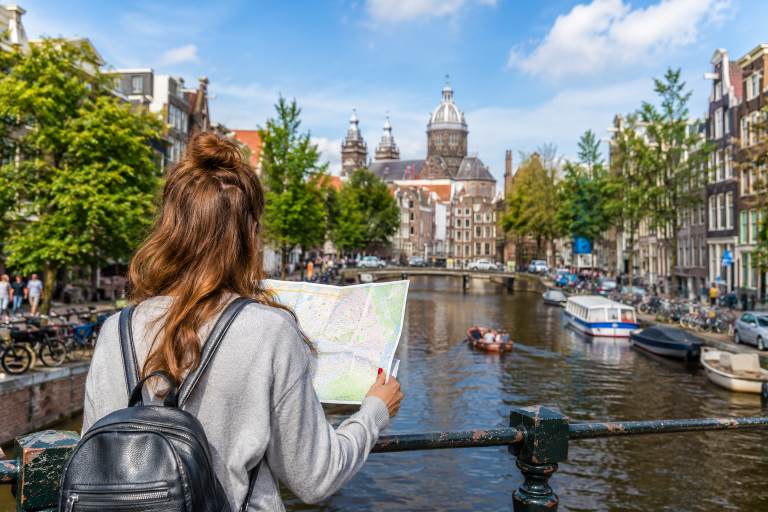

There is something almost magical about a well-planned vacation. It is not just the destination that stays with you long after you return home, it is the ease of the journey, the unexpected discoveries, and the feeling that everything simply fell into place. Yet for many people, the planning stage is where the joy quietly drains away, replaced by spreadsheets, browser tabs, and indecision. It does not have to be this way. With the right approach, planning a vacation can be just as exciting as the trip itself. Here are ten practical, experience-tested tips to help you plan the kind of vacation you will talk about for years.
Tip 1: Start with your “why” before you pick a “where”
Most vacation planning mistakes begin here. People open a search engine, type in “best places to travel,” and start clicking without ever asking themselves what kind of experience they actually need. Are you craving total rest and zero itinerary? Do you want adventure and physical challenge? Are you hoping to connect with a different culture, or simply escape your routine? Answering these questions first will dramatically narrow your options and ensure that the destination you choose genuinely fits what you need from the trip. A beach in Bali and a beach in Brighton are both beaches, but they will give you entirely different experiences. Know what you are chasing, then find the place that delivers it.
Pro tip: Write three words that describe your ideal trip feeling (for example: peaceful, adventurous, enriching). Use those words as a filter when evaluating destinations.
Tip 02: Set a realistic budget early and plan around it
Budget is not a buzzkill. It is actually the single most liberating thing you can define early in the planning process. Once you know your total number, every decision becomes easier: which destinations are realistic, whether to fly direct or accept a layover, whether to stay in a boutique hotel or a well-located hostel. Many travelers make the mistake of falling in love with a destination first and retrofitting a budget to it, which tends to end in stress, debt, or a trip that does not quite match the fantasy. Instead, set your total figure including flights, accommodation, food, activities, insurance, and a contingency buffer of at least 10 percent. Then build your dream trip inside that boundary.
Pro tip: Use tools like Google Flights’ price calendar and Hopper to find the cheapest windows to fly. Shifting your travel dates by even two or three days can save a surprising amount.
Tip 03: Book flights and accommodation first, fill in the rest later
The two biggest variables in any vacation are your flights and your place to sleep. Everything else, restaurants, day trips, museum tickets, can be arranged with far more flexibility once you arrive. Once your flights and lodging are locked in, you have a foundation to build on. You also unlock one of the best feelings in travel planning: the point at which the trip stops feeling theoretical and starts feeling real. Book these two things as early as your dates allow, particularly for peak seasons or popular destinations where availability drops quickly.
Pro tip: For accommodation, check both Booking.com and the property’s own website. Hotels often offer a “best rate guarantee” if you book direct, along with perks like free breakfast or a room upgrade.
Tip 04: Research the destination, but leave space for spontaneity
Research is essential. Knowing which neighborhoods to stay in, which areas to avoid after dark, what the local transport options are, and which three or four experiences are genuinely not to be missed will make your trip significantly better. But over-researching can paradoxically ruin a vacation. If every hour of every day is scheduled in advance, there is no room for the unexpected conversation that leads you to a hidden viewpoint, or the local festival you stumbled upon, or the decision to simply stay in a beautiful place for one more afternoon. Aim for a framework rather than a timetable. Identify your must-do experiences, but leave at least 30 percent of your days unscheduled.
Pro tip: Reddit’s travel communities (especially r/travel and destination-specific subreddits) are excellent sources of current, honest advice from people who have been there recently.
Tip 05: Time your trip around the destination, not just your calendar
Visiting the right place at the wrong time is one of the most common and avoidable travel mistakes. Some destinations are genuinely spectacular in certain seasons and genuinely uncomfortable in others. Southeast Asia during monsoon season, Europe’s most popular cities during the height of summer, and ski resorts just before the snow arrives can all disappoint even the most enthusiastic traveler. Before you finalize dates, research the climate, the crowd levels, and any local events that might affect your experience, both positively and negatively. Shoulder season (the period just before or just after peak season) is often the sweet spot: decent weather, thinner crowds, and lower prices.
Pro tip: Check if your destination has any major public holidays or festivals during your travel window. These can create wonderful opportunities or significant logistical headaches, depending on your preferences.
Tip 06: Sort your documents, insurance, and health requirements well in advance
This is the unglamorous side of travel planning, but it is arguably the most important. A passport that expires within six months of your travel date will be rejected at many borders. Visa requirements can take weeks to process. Certain destinations require proof of vaccinations or specific travel insurance. None of these things should be last-minute discoveries. Set a reminder to check every administrative requirement at least three months before your trip. Purchase comprehensive travel insurance that covers medical emergencies, trip cancellation, and lost luggage. If your destination requires any health preparations, such as malaria tablets or vaccinations, visit a travel health clinic early to allow enough time for any multi-dose courses.
Pro tip: Make digital and physical copies of your passport, insurance documents, and key bookings. Store digital copies in a secure cloud folder you can access anywhere.
Tip 07: Pack light, then pack lighter still
Experienced travelers will tell you the same thing almost universally: you always pack too much the first time. A heavy suitcase is not just a physical burden. It slows you down at airports, limits which accommodation you can realistically stay in, and becomes a genuine source of stress when you are navigating cobblestones, train stations, or tight hotel rooms. Before your trip, lay out everything you plan to take and then put back roughly a third of it. Learn to mix and match clothing items, embrace the idea of doing a small amount of laundry during your trip, and be ruthless about anything that falls into the “just in case” category. Carry-on only travel is genuinely achievable for most trips of two weeks or under.
Pro tip: Packing cubes are genuinely life-changing. They compress clothing, keep your bag organized, and make it dramatically easier to find things without unpacking everything.
Tip 08: Plan how you will handle money before you leave home
Nothing derails the relaxed vacation mindset faster than a declined card, unexpected foreign transaction fees, or the panicked realization that your destination is largely cash-only and you have none. Before you travel, notify your bank of your travel dates, research whether your destination is card-friendly or cash-dependent, and look into travel-friendly banking options. Cards from providers like Wise, Revolut, or Charles Schwab (in the US) typically offer fee-free foreign transactions and favorable exchange rates. Always carry a small amount of local currency for situations where cards are not accepted, and keep a backup card in a separate location from your primary one.
Pro tip: Airport currency exchange desks offer some of the worst rates available. Use an ATM at your destination instead, or order currency through your bank before you leave if you prefer to arrive prepared.
Tip 09: Embrace the local experience rather than the tourist version of it
The most memorable travel experiences rarely happen in the most photographed spots. They happen in the market your hotel receptionist mentioned, the restaurant with no English menu, the neighborhood that does not appear in any guidebook. One of the best things you can do before and during a trip is to ask locals where they actually go. Skip the chain restaurants clustered around tourist attractions. Walk through residential neighborhoods in the early morning. Take public transport rather than always opting for private transfers. Traveling this way not only gives you richer experiences but is almost always cheaper, and it tends to be the source of the stories you tell when you get home.
Pro tip: Apps like Spotted by Locals and Withlocals connect travelers with residents who offer guided experiences. These are a fantastic way to see a city through the eyes of someone who actually lives there.
Tip 10: Build recovery time into your return, not just your departure
This tip is consistently overlooked and consistently regretted when ignored. Flying home on a Sunday night after an intense two-week adventure and walking back into work on Monday morning is a reliable way to undo a significant portion of the restorative value your vacation provided. Wherever possible, build at least one full day between returning home and resuming normal responsibilities. Use it to unpack properly, sleep in your own bed, do a small grocery shop, and let your nervous system transition back gently. This small act of planning extends the positive effects of your trip and makes the return to routine dramatically less jarring.
Pro tip: On your last day away, do something low-key and enjoyable rather than cramming in one final excursion. Let the trip end on a relaxed note. It will color how you remember the whole experience.
The perfect vacation is a planned one
The best trips are not the ones where everything went perfectly according to plan. They are the ones where you were prepared enough to handle the unexpected with grace and flexible enough to embrace it with curiosity. Planning a great vacation is less about eliminating uncertainty and more about building a structure sturdy enough to hold space for the wonderful and unscripted moments that define travel at its best.
Start with intention, budget honestly, choose your timing wisely, stay curious, and give yourself the breathing room to actually enjoy what you have worked to create. Your perfect vacation is not a fantasy waiting to be found. It is a plan waiting to be made.